


Hot Products
YSX500D 50kW DR system set up and put into service in Cambodia.
YSENMED YSX500D 50kW digital x-ray system has been successfully set up and put into service in a hospital in Cambodia.
YSX056-PE serving as a vehicle-mounted x-ray in the Philippines
YSX056-PE 5.6kW portable x-ray unit has been adapted to fit on a truck, to provide mobile x-ray examination service for remote communities in the Philippines.
X Ray Machine To Zimbabwe
x ray machine, 50KW x ray machine
Microscope To Malawi
Achromatic objectives: 4X、10X、40X(S), 100X(S、Oil) Wide field eyepiece: WF10X(WF16X for option) Eyepiece head: Sliding binocular head inclined at 45° Stage: Double layer mechanical stage size 140X140mm, moving range 75X45mm Focusing: Coaxial coarse and
The Future of Genetic Research: What You Need to Know About Auto Agarose Gel Electrophoresis
Views : 6752
Update time : 2024-11-25 15:56:04
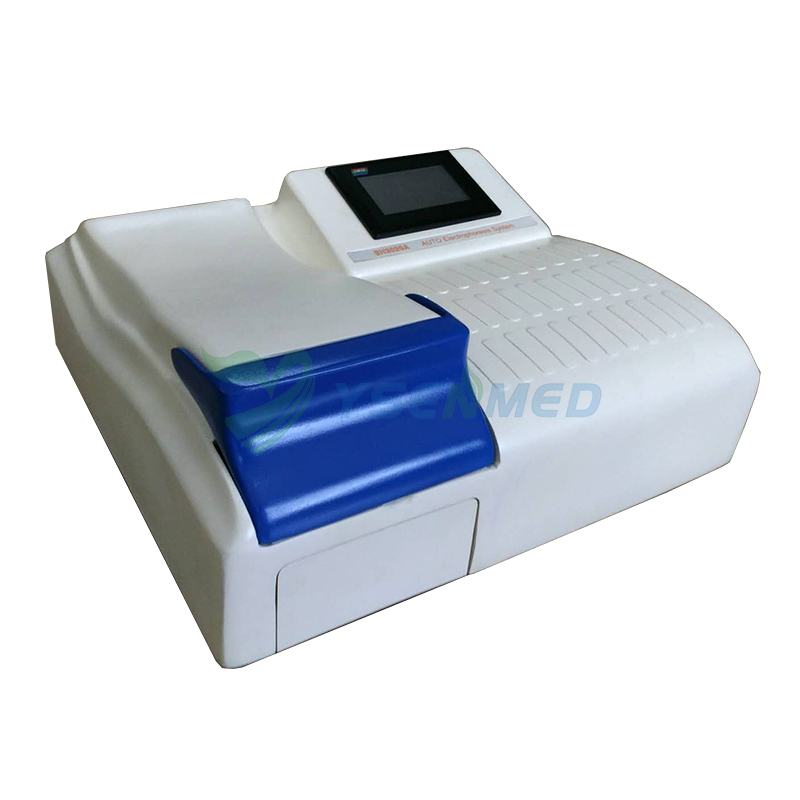
Genetic research is a rapidly evolving field, and with advancements in technology, the way we analyze DNA has changed dramatically. One of the standout techniques making waves in laboratories is Auto Agarose Gel Electrophoresis (AAGE). If you're curious about how this method works and its implications for the future of genetic research, you're in the right place! Let's dive deep into this fascinating topic.
What is Agarose Gel Electrophoresis?
Before we jump into the auto aspect, let's break down agarose gel electrophoresis. At its core, this technique is used to separate DNA, RNA, or proteins based on their size and charge. Imagine a crowded highway where smaller cars can zip through while larger trucks struggle to keep up. Similarly, smaller DNA fragments move faster through the gel, allowing researchers to analyze their sizes.
The Basics of How It Works
1. Preparation of the Gel: Agarose, a polysaccharide extracted from seaweed, is mixed with a buffer solution and heated until it dissolves. Once cooled, it forms a gel with tiny pores.
2. Loading Samples: Researchers load DNA samples into wells created in the gel. Using a loading dye helps visualize the samples as they move.
3. Applying Electric Current: When an electric current is applied, DNA fragments migrate through the gel towards the positive electrode, with smaller fragments moving faster than larger ones.
4. Staining and Visualization: After running the gel for a set time, it's stained (often with ethidium bromide) to visualize the DNA bands under UV light.
What Makes Auto Agarose Gel Electrophoresis Different?
Now, let's talk about the "auto" in AAGE. Traditional methods require manual loading of samples, monitoring of the run, and analysis of results. AAGE automates these processes, making them more efficient and reducing human error. Picture it like having a self-driving car: you still get to your destination, but without the stress of navigating traffic.
Benefits of Auto Agarose Gel Electrophoresis
1. Increased Efficiency
One of the most significant advantages of AAGE is the speed at which results can be obtained. Automated systems can process multiple samples simultaneously, drastically reducing the time needed for analysis. This is a game-changer for labs handling high volumes of samples.
2. Consistency and Reproducibility
Human error is a common pitfall in manual gel electrophoresis. With automation, you can expect consistent results every time. This reliability is crucial for scientific research, where reproducibility is key.
3. Enhanced Data Analysis
Many AAGE systems come equipped with integrated software that not only automates the running of gels but also analyzes the results. This means researchers can spend less time on data interpretation and more time on drawing meaningful conclusions.
4. Cost-Effectiveness
While the initial investment in automated systems might be high, the long-term savings are substantial. Reduced labor costs, fewer errors, and faster turnaround times mean labs can operate more efficiently and effectively.
Applications of Auto Agarose Gel Electrophoresis
1. Clinical Diagnostics
In clinical settings, AAGE is used for genetic testing, including identifying mutations associated with diseases. The speed and accuracy of automated systems can lead to quicker diagnoses and treatment plans.
2. Forensic Science
Forensic labs rely heavily on DNA analysis. AAGE can streamline the process of analyzing samples from crime scenes, helping to solve cases faster and more accurately.
3. Academic Research
In universities and research institutions, AAGE facilitates the study of genetic material, allowing for more extensive and thorough investigations into genetic diseases, evolutionary biology, and more.
4. Pharmaceutical Development
The pharmaceutical industry uses AAGE to analyze genetic material during drug development processes. This can help in understanding how different drugs affect genetic expression.
Challenges and Limitations
1. Initial Costs
The price tag of automated systems can be daunting for smaller labs. However, it's essential to weigh this against the potential long-term savings and increased efficiency.
2. Technical Expertise
While automation reduces the need for manual labor, it does require staff to have some technical know-how to operate and maintain these systems effectively.
3. Limited Flexibility
Automated systems may not be as adaptable for unique or unconventional experiments. Researchers might still need to rely on traditional methods for specific cases.
The Future of Auto Agarose Gel Electrophoresis
1. Integration with Next-Generation Sequencing
As genetic research moves towards next-generation sequencing (NGS), the integration of AAGE with NGS technologies could create a powerful combination for analyzing vast amounts of genetic data quickly and efficiently.
2. Miniaturization and Portability
Future advancements may lead to smaller, portable AAGE systems that can be used in various settings, including remote locations. Imagine conducting genetic analysis in the field rather than a lab!
3. Artificial Intelligence in Data Analysis
With AI becoming increasingly sophisticated, the potential for automated systems to incorporate machine learning algorithms for data analysis could revolutionize results interpretation, leading to insights that were previously unattainable.
Conclusion
The future of genetic research is bright, and Auto Agarose Gel Electrophoresis is at the forefront of this revolution. With its ability to enhance efficiency, consistency, and data analysis, AAGE is set to change the landscape of genetic testing and research. As technology continues to evolve, we can expect even more exciting developments in this field. Whether you're a researcher, a student, or just someone curious about genetics, keeping an eye on these advancements will surely be worthwhile. So, are you ready to embrace the future of genetic research?
FAQ
What is Auto Agarose Gel Electrophoresis?
Auto Agarose Gel Electrophoresis (AAGE) is an advanced technique used in genetic research to automate the process of separating DNA, RNA, or proteins based on size and charge. Unlike traditional methods that require manual loading and monitoring, AAGE systems streamline these steps, allowing for faster and more consistent results.
How does AAGE improve efficiency in genetic testing?
AAGE significantly enhances efficiency by allowing multiple samples to be processed simultaneously without manual intervention. This automation reduces the time required for analysis, enabling laboratories to handle higher volumes of samples and deliver results more quickly, which is crucial in clinical diagnostics and research settings.
Is AAGE suitable for all types of genetic research?
While AAGE is highly effective for many applications, including clinical diagnostics, forensic analysis, and academic research, it may not be suitable for every specific experimental setup. Some unique or unconventional experiments might still require traditional methods. Researchers should assess their specific needs before choosing AAGE.
What is Agarose Gel Electrophoresis?
Before we jump into the auto aspect, let's break down agarose gel electrophoresis. At its core, this technique is used to separate DNA, RNA, or proteins based on their size and charge. Imagine a crowded highway where smaller cars can zip through while larger trucks struggle to keep up. Similarly, smaller DNA fragments move faster through the gel, allowing researchers to analyze their sizes.
The Basics of How It Works
1. Preparation of the Gel: Agarose, a polysaccharide extracted from seaweed, is mixed with a buffer solution and heated until it dissolves. Once cooled, it forms a gel with tiny pores.
2. Loading Samples: Researchers load DNA samples into wells created in the gel. Using a loading dye helps visualize the samples as they move.
3. Applying Electric Current: When an electric current is applied, DNA fragments migrate through the gel towards the positive electrode, with smaller fragments moving faster than larger ones.
4. Staining and Visualization: After running the gel for a set time, it's stained (often with ethidium bromide) to visualize the DNA bands under UV light.
What Makes Auto Agarose Gel Electrophoresis Different?
Now, let's talk about the "auto" in AAGE. Traditional methods require manual loading of samples, monitoring of the run, and analysis of results. AAGE automates these processes, making them more efficient and reducing human error. Picture it like having a self-driving car: you still get to your destination, but without the stress of navigating traffic.
Benefits of Auto Agarose Gel Electrophoresis
1. Increased Efficiency
One of the most significant advantages of AAGE is the speed at which results can be obtained. Automated systems can process multiple samples simultaneously, drastically reducing the time needed for analysis. This is a game-changer for labs handling high volumes of samples.
2. Consistency and Reproducibility
Human error is a common pitfall in manual gel electrophoresis. With automation, you can expect consistent results every time. This reliability is crucial for scientific research, where reproducibility is key.
3. Enhanced Data Analysis
Many AAGE systems come equipped with integrated software that not only automates the running of gels but also analyzes the results. This means researchers can spend less time on data interpretation and more time on drawing meaningful conclusions.
4. Cost-Effectiveness
While the initial investment in automated systems might be high, the long-term savings are substantial. Reduced labor costs, fewer errors, and faster turnaround times mean labs can operate more efficiently and effectively.
Applications of Auto Agarose Gel Electrophoresis
1. Clinical Diagnostics
In clinical settings, AAGE is used for genetic testing, including identifying mutations associated with diseases. The speed and accuracy of automated systems can lead to quicker diagnoses and treatment plans.
2. Forensic Science
Forensic labs rely heavily on DNA analysis. AAGE can streamline the process of analyzing samples from crime scenes, helping to solve cases faster and more accurately.
3. Academic Research
In universities and research institutions, AAGE facilitates the study of genetic material, allowing for more extensive and thorough investigations into genetic diseases, evolutionary biology, and more.
4. Pharmaceutical Development
The pharmaceutical industry uses AAGE to analyze genetic material during drug development processes. This can help in understanding how different drugs affect genetic expression.
Challenges and Limitations
1. Initial Costs
The price tag of automated systems can be daunting for smaller labs. However, it's essential to weigh this against the potential long-term savings and increased efficiency.
2. Technical Expertise
While automation reduces the need for manual labor, it does require staff to have some technical know-how to operate and maintain these systems effectively.
3. Limited Flexibility
Automated systems may not be as adaptable for unique or unconventional experiments. Researchers might still need to rely on traditional methods for specific cases.
The Future of Auto Agarose Gel Electrophoresis
1. Integration with Next-Generation Sequencing
As genetic research moves towards next-generation sequencing (NGS), the integration of AAGE with NGS technologies could create a powerful combination for analyzing vast amounts of genetic data quickly and efficiently.
2. Miniaturization and Portability
Future advancements may lead to smaller, portable AAGE systems that can be used in various settings, including remote locations. Imagine conducting genetic analysis in the field rather than a lab!
3. Artificial Intelligence in Data Analysis
With AI becoming increasingly sophisticated, the potential for automated systems to incorporate machine learning algorithms for data analysis could revolutionize results interpretation, leading to insights that were previously unattainable.
Conclusion
The future of genetic research is bright, and Auto Agarose Gel Electrophoresis is at the forefront of this revolution. With its ability to enhance efficiency, consistency, and data analysis, AAGE is set to change the landscape of genetic testing and research. As technology continues to evolve, we can expect even more exciting developments in this field. Whether you're a researcher, a student, or just someone curious about genetics, keeping an eye on these advancements will surely be worthwhile. So, are you ready to embrace the future of genetic research?
FAQ
What is Auto Agarose Gel Electrophoresis?
Auto Agarose Gel Electrophoresis (AAGE) is an advanced technique used in genetic research to automate the process of separating DNA, RNA, or proteins based on size and charge. Unlike traditional methods that require manual loading and monitoring, AAGE systems streamline these steps, allowing for faster and more consistent results.
How does AAGE improve efficiency in genetic testing?
AAGE significantly enhances efficiency by allowing multiple samples to be processed simultaneously without manual intervention. This automation reduces the time required for analysis, enabling laboratories to handle higher volumes of samples and deliver results more quickly, which is crucial in clinical diagnostics and research settings.
Is AAGE suitable for all types of genetic research?
While AAGE is highly effective for many applications, including clinical diagnostics, forensic analysis, and academic research, it may not be suitable for every specific experimental setup. Some unique or unconventional experiments might still require traditional methods. Researchers should assess their specific needs before choosing AAGE.
Related News
Read More >>
 Ms Fatima from El Salvador Is Satisfied With Her Veterinary Equipment Package
Sep .29.2026
Ms Fatima, an end customer in El Salvador, completed the installation of a veterinary equipment package at her clinic and expressed satisfaction with the products.
 Meet the YSFPD4343W: A 17×17-Inch Medical Radiology DR Wireless Flat Panel Detector Built for Flexible X-Ray Imaging
Sep .27.2026
Learn about the YSFPD4343W Medical Radiology DR Wireless Flat Panel Detector, including features, specifications, clinical benefits, and a real customer case.
 Steven from Australia Shares Positive Feedback on YSENMED Veterinary Stainless Cage
Sep .27.2026
Steven, an end customer from Australia, chose YSENMED’s Veterinary Stainless Cage with a customized cage requirement. He was satisfied with the product quality.
 Dr Osama from Saudi Arabia Repeatedly Chooses YSX056-PF VET for Quality Veterinary DR Imaging
Sep .26.2026
Dr Osama, a distributor from Saudi Arabia, chose the YSX056-PF VET 5.6kW Veterinary Portable X-ray Unit and praised its good image quality. His repeated purchases reflect his continued use of the product.
