


Hot Products
YSX500D 50kW DR system set up and put into service in Cambodia.
YSENMED YSX500D 50kW digital x-ray system has been successfully set up and put into service in a hospital in Cambodia.
YSX056-PE serving as a vehicle-mounted x-ray in the Philippines
YSX056-PE 5.6kW portable x-ray unit has been adapted to fit on a truck, to provide mobile x-ray examination service for remote communities in the Philippines.
X Ray Machine To Zimbabwe
x ray machine, 50KW x ray machine
Microscope To Malawi
Achromatic objectives: 4X、10X、40X(S), 100X(S、Oil) Wide field eyepiece: WF10X(WF16X for option) Eyepiece head: Sliding binocular head inclined at 45° Stage: Double layer mechanical stage size 140X140mm, moving range 75X45mm Focusing: Coaxial coarse and
How Do Surgical Lights Have No Shadows?
Views : 5638
Update time : 2025-10-29 15:33:00
When you think about surgery, what comes to mind? The sterile environment, the skilled surgeons, and, of course, the bright lights illuminating the operating room. But have you ever stopped to wonder how those surgical lights manage to shine so brightly without casting shadows? It's a fascinating topic! In this article, we'll dive deep into the science behind surgical lighting, explore its design, and understand why it's crucial for successful surgeries. So, let's get started!
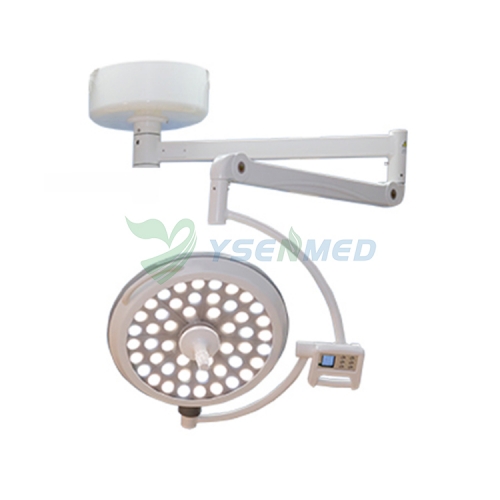
Before we dive into how surgical lights eliminate shadows, let's break down their anatomy. Surgical lights typically consist of:
- Light Source: Usually LED or halogen bulbs that provide bright, focused light.
- Reflectors: These help direct light to the surgical area.
- Adjustable Arms: Allow the lights to be positioned precisely where needed.
- Control System: Enables surgeons to adjust brightness and focus.
Understanding these components helps us appreciate how they work together to create an ideal lighting environment.
- Longevity: LEDs last much longer than traditional bulbs, reducing replacement costs.
- Energy Efficiency: They consume less power, making them eco-friendly.
- Heat Reduction: LEDs generate less heat, keeping the operating room comfortable for both patients and staff.
- Type of Procedures: Different surgeries may require different lighting setups.
- Room Size: Larger rooms might need more powerful lights to ensure even illumination.
- Budget: While advanced lights offer many benefits, they can be costly.
Ultimately, the goal is to create an environment where surgeons can perform at their best.
Understanding the Importance of Lighting in Surgery
Lighting in the operating room is more than just a bright bulb; it's a critical component that can influence the outcome of a procedure. Good lighting helps surgeons see clearly, reducing the risk of errors. Imagine trying to read a book in a dimly lit room—frustrating, right? Similarly, surgeons need optimal visibility to perform their tasks effectively.The Anatomy of Surgical Lights
Before we dive into how surgical lights eliminate shadows, let's break down their anatomy. Surgical lights typically consist of:
- Light Source: Usually LED or halogen bulbs that provide bright, focused light.
- Reflectors: These help direct light to the surgical area.
- Adjustable Arms: Allow the lights to be positioned precisely where needed.
- Control System: Enables surgeons to adjust brightness and focus.
Understanding these components helps us appreciate how they work together to create an ideal lighting environment.
The Science Behind Shadow-Free Lighting
So, how do surgical lights achieve that coveted shadow-free illumination? The secret lies in a combination of design and technology. Here are the key factors:1. Multiple Light Sources
Most modern surgical lights use multiple light sources arranged in a circular or dome-like configuration. By having several bulbs, the light can be directed from various angles, effectively minimizing shadows. Think of it like a group of friends shining flashlights on a wall from different directions; the more angles you have, the fewer shadows you see.2. Advanced Reflector Design
The reflectors in surgical lights are engineered to direct light efficiently. They bounce the light around the operating room, ensuring that every nook and cranny is illuminated. This design helps disperse shadows that might otherwise form if the light came from a single source.3. Focused Beam Technology
Surgical lights often use focused beam technology, which allows the surgeon to adjust the intensity and focus of the light as needed. This means that even if a shadow does form, the surgeon can easily reposition the light to eliminate it. It's like having a spotlight that you can move around to highlight specific areas.4. Color Temperature
The color temperature of surgical lights is also crucial. Lights that emit a cooler (bluer) light can enhance contrast, making it easier for surgeons to see details. This is particularly important when dealing with different tissues and blood vessels during surgery. It's akin to wearing sunglasses that enhance colors; everything becomes clearer!The Role of Shadow Control in Surgical Procedures
Shadow control is not just a technical requirement; it's a matter of patient safety. Shadows can obscure critical details, leading to potential complications. For example, if a surgeon cannot see a blood vessel clearly due to a shadow, they might inadvertently cause damage. By eliminating shadows, surgical lights enhance precision and reduce the risk of errors.Innovations in Surgical Lighting Technology
As technology advances, so does the design of surgical lights. Here are some recent innovations that are transforming the operating room:1. LED Technology
LEDs have become the gold standard in surgical lighting. They offer several advantages:- Longevity: LEDs last much longer than traditional bulbs, reducing replacement costs.
- Energy Efficiency: They consume less power, making them eco-friendly.
- Heat Reduction: LEDs generate less heat, keeping the operating room comfortable for both patients and staff.
2. Wireless Control Systems
Modern surgical lights often come with wireless control systems, allowing surgeons to adjust settings without having to touch the light itself. This feature is particularly useful during delicate procedures where maintaining sterility is crucial.3. Integration with Surgical Navigation Systems
Some advanced surgical lights are now integrated with navigation systems, providing real-time feedback and guidance. This technology helps surgeons visualize their work better, further reducing the chances of errors.Choosing the Right Surgical Lighting
When selecting surgical lights, hospitals and clinics consider several factors:- Type of Procedures: Different surgeries may require different lighting setups.
- Room Size: Larger rooms might need more powerful lights to ensure even illumination.
- Budget: While advanced lights offer many benefits, they can be costly.
Ultimately, the goal is to create an environment where surgeons can perform at their best.
Common Myths About Surgical Lighting
Despite the advancements in surgical lighting, several myths persist. Let's debunk a few:Myth 1: All Surgical Lights Are the Same
Not true! Surgical lights vary significantly in design, functionality, and technology. It's essential to choose the right type for specific surgical needs.Myth 2: Bright Lights Are Always Better
While bright light is crucial, too much brightness can cause glare, which is counterproductive. The key is to find the right balance.Myth 3: Shadows Are Inevitable
With modern technology and design, shadows can be minimized significantly. It's all about using the right equipment.The Future of Surgical Lighting
As we look to the future, we can expect even more innovations in surgical lighting. With the rise of smart technology and AI, surgical lights may soon be able to adapt automatically to the needs of the surgeon and the procedure. Imagine lights that adjust their brightness and focus based on real-time feedback from the surgical team!Conclusion
In summary, the ability of surgical lights to eliminate shadows is a remarkable feat of engineering and design. By utilizing multiple light sources, advanced reflector technology, and focused beam systems, these lights create an optimal environment for surgeons to perform their work with precision. As technology continues to evolve, we can only anticipate even more exciting developments in surgical lighting that will enhance patient safety and improve surgical outcomes. So, the next time you see those bright lights in an operating room, you'll know there's a lot more to them than meets the eye!
Related News
Read More >>
 Ms Fatima from El Salvador Is Satisfied With Her Veterinary Equipment Package
Sep .29.2026
Ms Fatima, an end customer in El Salvador, completed the installation of a veterinary equipment package at her clinic and expressed satisfaction with the products.
 Meet the YSFPD4343W: A 17×17-Inch Medical Radiology DR Wireless Flat Panel Detector Built for Flexible X-Ray Imaging
Sep .27.2026
Learn about the YSFPD4343W Medical Radiology DR Wireless Flat Panel Detector, including features, specifications, clinical benefits, and a real customer case.
 Steven from Australia Shares Positive Feedback on YSENMED Veterinary Stainless Cage
Sep .27.2026
Steven, an end customer from Australia, chose YSENMED’s Veterinary Stainless Cage with a customized cage requirement. He was satisfied with the product quality.
 Dr Osama from Saudi Arabia Repeatedly Chooses YSX056-PF VET for Quality Veterinary DR Imaging
Sep .26.2026
Dr Osama, a distributor from Saudi Arabia, chose the YSX056-PF VET 5.6kW Veterinary Portable X-ray Unit and praised its good image quality. His repeated purchases reflect his continued use of the product.
