


Hot Products
YSX500D 50kW DR system set up and put into service in Cambodia.
YSENMED YSX500D 50kW digital x-ray system has been successfully set up and put into service in a hospital in Cambodia.
YSX056-PE serving as a vehicle-mounted x-ray in the Philippines
YSX056-PE 5.6kW portable x-ray unit has been adapted to fit on a truck, to provide mobile x-ray examination service for remote communities in the Philippines.
X Ray Machine To Zimbabwe
x ray machine, 50KW x ray machine
Microscope To Malawi
Achromatic objectives: 4X、10X、40X(S), 100X(S、Oil) Wide field eyepiece: WF10X(WF16X for option) Eyepiece head: Sliding binocular head inclined at 45° Stage: Double layer mechanical stage size 140X140mm, moving range 75X45mm Focusing: Coaxial coarse and
The Importance of Regular Maintenance of Anesthesia Machine
Views : 3449
Update time : 2023-02-24 16:55:35
Importance of Regular Maintenance of Anesthesia Machine:
Ensures Patient Safety: The most important reason for regular maintenance of anesthesia machines is to ensure patient safety. A malfunctioning anesthesia machine can cause serious harm to patients. Regular maintenance procedures such as cleaning and disinfecting the machine, checking for leaks, and calibrating the sensors can help identify and rectify any issues that may compromise patient safety.
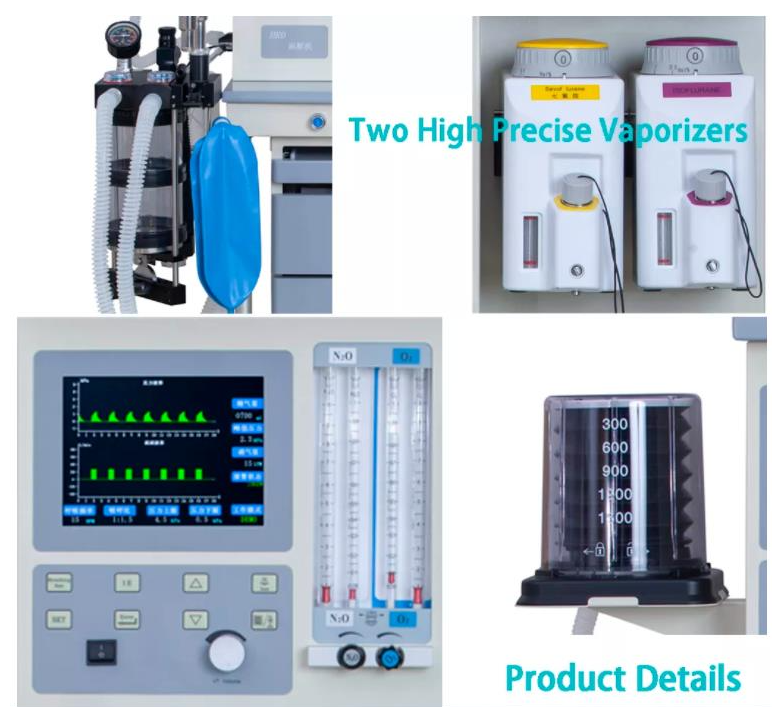
Prolongs Lifespan of Equipment: Regular maintenance can extend the lifespan of anesthesia machines. By detecting and repairing minor issues before they become major problems, maintenance helps prevent breakdowns and extends the life of the equipment. It also ensures that the equipment remains in good working condition, reducing the likelihood of costly repairs or replacement.
Saves Money: Regular maintenance can save money in the long run. Preventive maintenance costs are relatively low compared to the cost of repairs or replacement due to a breakdown. By performing regular maintenance, hospitals and clinics can avoid the costs associated with equipment downtime, such as lost revenue and patient dissatisfaction.
Ensures Compliance with Regulatory Standards: Anesthesia machines are subject to regulatory standards such as those set by the FDA and other government agencies. Regular maintenance helps ensure that these machines meet regulatory standards and are in compliance with safety guidelines. This can prevent costly fines and legal action that may result from non-compliance.
Maintenance Procedures:
Cleaning and Disinfecting: Cleaning and disinfecting the anesthesia machine is an essential maintenance procedure. Regular cleaning and disinfection help prevent the buildup of bacteria and other harmful microorganisms that can cause infection in patients. The machine's external surfaces, such as the control panel, gas delivery system, and hoses, should be cleaned with a suitable disinfectant regularly.
Leak Testing: Leak testing involves checking the anesthesia machine for gas leaks that can compromise patient safety. Leak testing should be performed before each use, and any leaks should be repaired before the machine is used on a patient.
Calibration: Calibration involves adjusting the machine's sensors and controls to ensure that they function correctly. Regular calibration of the anesthesia machine's sensors, such as the oxygen and CO2 sensors, is critical to ensure patient safety.
Parts Replacement: Parts replacement involves replacing worn or damaged components in the anesthesia machine. This includes replacing filters, hoses, and other components that are subject to wear and tear over time. Regular replacement of these components helps ensure the machine's reliability and prolongs its lifespan.
Benefits of Proper Maintenance:
Improved Patient Safety: Regular maintenance of anesthesia machines can improve patient safety by identifying and correcting issues that can compromise patient health. A well-maintained machine ensures that the patient receives the correct amount of anesthesia, reducing the risk of over or under dosing.
Prolonged Equipment Lifespan: Regular maintenance can extend the lifespan of anesthesia machines. By detecting and repairing minor issues before they become major problems, maintenance helps prevent breakdowns and extends the life of the equipment.
Reduced Costs: Regular maintenance can reduce costs by preventing breakdowns and reducing the need for expensive repairs or replacement. It also ensures that the equipment remains in good working condition, reducing the likelihood of costly repairs or replacement.
Prolongs Lifespan of Equipment: Regular maintenance can extend the lifespan of anesthesia machines. By detecting and repairing minor issues before they become major problems, maintenance helps prevent breakdowns and extends the life of the equipment. It also ensures that the equipment remains in good working condition, reducing the likelihood of costly repairs or replacement.
Saves Money: Regular maintenance can save money in the long run. Preventive maintenance costs are relatively low compared to the cost of repairs or replacement due to a breakdown. By performing regular maintenance, hospitals and clinics can avoid the costs associated with equipment downtime, such as lost revenue and patient dissatisfaction.
Ensures Compliance with Regulatory Standards: Anesthesia machines are subject to regulatory standards such as those set by the FDA and other government agencies. Regular maintenance helps ensure that these machines meet regulatory standards and are in compliance with safety guidelines. This can prevent costly fines and legal action that may result from non-compliance.
Maintenance Procedures:
Cleaning and Disinfecting: Cleaning and disinfecting the anesthesia machine is an essential maintenance procedure. Regular cleaning and disinfection help prevent the buildup of bacteria and other harmful microorganisms that can cause infection in patients. The machine's external surfaces, such as the control panel, gas delivery system, and hoses, should be cleaned with a suitable disinfectant regularly.
Leak Testing: Leak testing involves checking the anesthesia machine for gas leaks that can compromise patient safety. Leak testing should be performed before each use, and any leaks should be repaired before the machine is used on a patient.
Calibration: Calibration involves adjusting the machine's sensors and controls to ensure that they function correctly. Regular calibration of the anesthesia machine's sensors, such as the oxygen and CO2 sensors, is critical to ensure patient safety.
Parts Replacement: Parts replacement involves replacing worn or damaged components in the anesthesia machine. This includes replacing filters, hoses, and other components that are subject to wear and tear over time. Regular replacement of these components helps ensure the machine's reliability and prolongs its lifespan.
Benefits of Proper Maintenance:
Improved Patient Safety: Regular maintenance of anesthesia machines can improve patient safety by identifying and correcting issues that can compromise patient health. A well-maintained machine ensures that the patient receives the correct amount of anesthesia, reducing the risk of over or under dosing.
Prolonged Equipment Lifespan: Regular maintenance can extend the lifespan of anesthesia machines. By detecting and repairing minor issues before they become major problems, maintenance helps prevent breakdowns and extends the life of the equipment.
Reduced Costs: Regular maintenance can reduce costs by preventing breakdowns and reducing the need for expensive repairs or replacement. It also ensures that the equipment remains in good working condition, reducing the likelihood of costly repairs or replacement.
Related News
Read More >>
 Ms Fatima from El Salvador Is Satisfied With Her Veterinary Equipment Package
Sep .29.2026
Ms Fatima, an end customer in El Salvador, completed the installation of a veterinary equipment package at her clinic and expressed satisfaction with the products.
 Meet the YSFPD4343W: A 17×17-Inch Medical Radiology DR Wireless Flat Panel Detector Built for Flexible X-Ray Imaging
Sep .27.2026
Learn about the YSFPD4343W Medical Radiology DR Wireless Flat Panel Detector, including features, specifications, clinical benefits, and a real customer case.
 Steven from Australia Shares Positive Feedback on YSENMED Veterinary Stainless Cage
Sep .27.2026
Steven, an end customer from Australia, chose YSENMED’s Veterinary Stainless Cage with a customized cage requirement. He was satisfied with the product quality.
 Dr Osama from Saudi Arabia Repeatedly Chooses YSX056-PF VET for Quality Veterinary DR Imaging
Sep .26.2026
Dr Osama, a distributor from Saudi Arabia, chose the YSX056-PF VET 5.6kW Veterinary Portable X-ray Unit and praised its good image quality. His repeated purchases reflect his continued use of the product.
